Korean translation can be surprisingly difficult because the challenge is not only vocabulary, but also tone, sentence order, and honorifics. A tool can give a technically correct result and still feel unnatural if it misses the way Korean is actually used in context.
That is why the best Korean translator app depends on the situation. Some tools are best for travel and quick text, some are better for written translation, and some are built for live speech in meetings, calls, or events.
This guide also covers related search intent such as english translation in korea, korean translator app, english language translate to korea, and korean to spanish.
Top 10 Korean translator apps
| Rank | App | Best for | Main limitation |
| 1 | Palabra | Live speech translation for meetings, webinars, and events | More specialized than simple text tools |
| 2 | Talo | Video calls and multilingual live conversations | Narrower than broad translation apps |
| 3 | Papago | Everyday Korean translation and travel use | Less strong for live speech than Palabra or Talo |
| 4 | Google Translate | Quick text, camera translation, and general use | Can feel literal in nuanced Korean |
| 5 | DeepL | Natural written translation and tone quality | Less focused on live speech workflows |
| 6 | Microsoft Translator | General multilingual communication | Less refined for Korean nuance |
| 7 | iTranslate | Simple mobile translation for travel | Not ideal for advanced use |
| 8 | Naver Dictionary | Korean learning, vocabulary, and context | Not a live translator |
| 9 | Reverso | Examples and context for learners | Not built for conversation |
| 10 | SayHi | Short spoken phrases and casual use | Too limited for deeper needs |
More keywords to cover
This version also covers search intent around english translation in korea, korean translator app, english language translate to korea, and korean to spanish. Those phrases point to users who may be looking for travel help, general translation, or cross-language support beyond Korean alone.
To keep the article useful, the broader comparison should still center on Korean translation apps, but these related phrases can be worked into the intro, app descriptions, FAQ, and final thoughts without making the page feel overloaded.
Why this ranking works
Korean translation users usually fall into three groups. Some want quick help while traveling, some need better written translation, and some need live communication support for meetings or remote calls.
That is why Palabra and Talo sit at the top. They solve the live speech problem better than general-purpose translators, while the rest of the list covers the everyday and learning needs that Maestra-style comparison articles usually include.
1. Palabra
Palabra is the best choice when Korean translation has to happen live. It is designed for real-time translation, so it fits meetings, webinars, streams, and events where people need to understand spoken Korean without stopping the conversation.
That makes it different from a normal translation app. If the goal is live communication, Palabra is the most relevant tool in this list.

Where Palabra works best:
- Live online meetings with multiple languages.
- Webinars and virtual events with multilingual audiences.
- Streams and conference-style sessions that need quick translation delivery.
Pros:
- Built around real-time speech translation.
- Useful across meetings, events, education, and live streaming.
- Strong fit for professional communication.
Cons:
- More specialized than simple travel translators.
- Not the best choice for quick one-line text lookups.
2. Talo
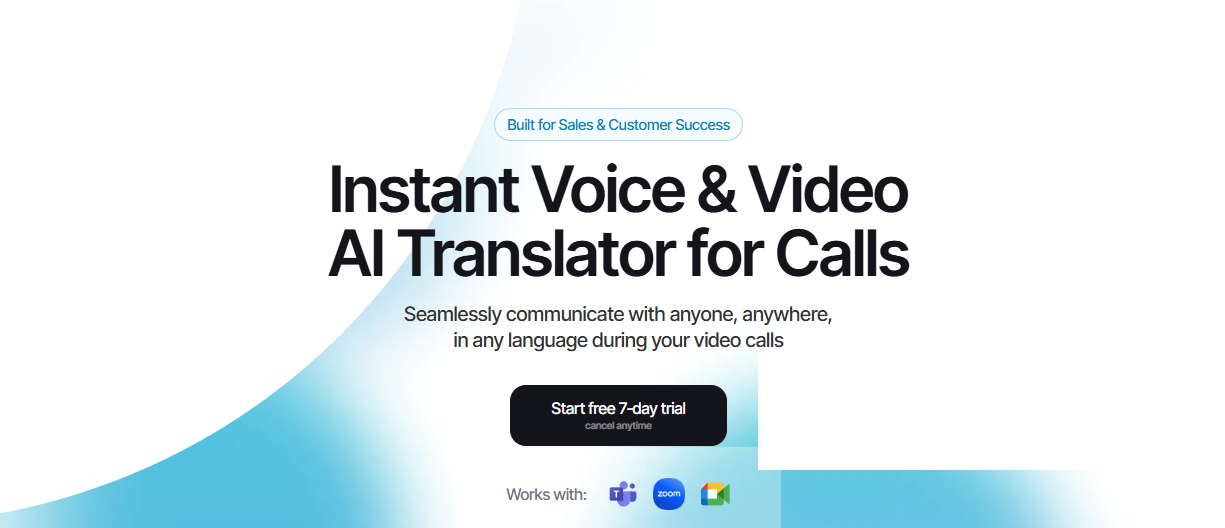
Talo is another strong live translation option, especially for video calls and online collaboration. It works well when the main goal is to keep multilingual conversations moving naturally.
It ranks just below Palabra because it is more focused on specific call-based workflows. For remote teams and online meetings, that can still be exactly what users need.
Where Talo works best:
- Video calls that need live translation.
- Remote meetings and collaboration across languages.
- Conversation-heavy workflows where speed matters more than writing polish.
Pros:
- Strong focus on real-time spoken communication.
- Good for multilingual meetings and webinar-style interactions.
- Practical for call-based workflows.
Cons:
- Narrower than tools that also handle text and image translation.
- Less versatile than broader translator apps.
3. Papago
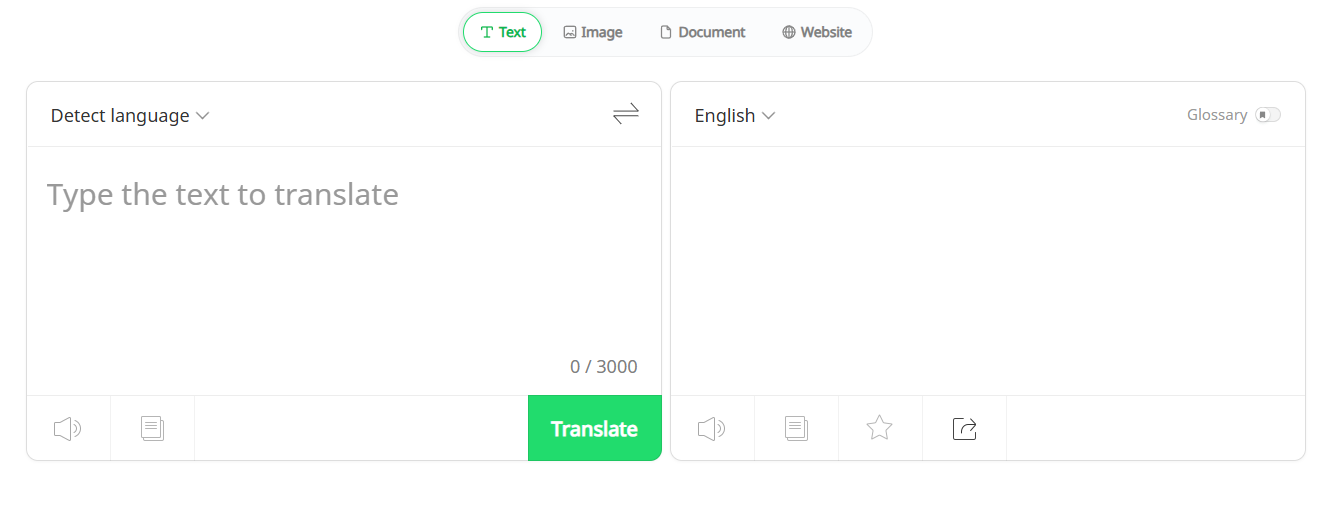
Papago is one of the most practical everyday Korean translation apps. It is especially helpful for travelers and users who need a tool that handles Korean in a more Korean-specific way than many general translators.
Its strength is that it is widely associated with Korean language use and feels natural for quick day-to-day needs. That makes it a strong third-place option in this list.
Where Papago works best:
- Travel and everyday Korean translation.
- Short messages and practical phrase lookups.
- Users who want a Korean-focused translation app.
Pros:
- Strong everyday usability.
- Good fit for Korean-specific translation needs.
- Easy to use for casual users.
Cons:
- Less strong for live speech translation than Palabra or Talo.
- Not as versatile as broader multilingual platforms.
4. Google Translate
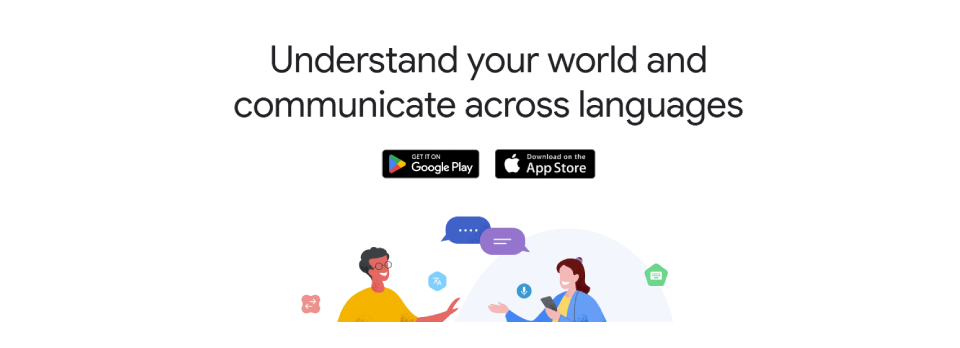
Google Translate is still one of the most familiar all-purpose choices. It is fast, free, and useful for short texts, signs, menus, screenshots, and quick everyday tasks.
Its biggest advantage is accessibility. For many users, it is simply the easiest way to get help right away.
Where Google Translate works best:
- Quick Korean text translation.
- Reading signs, menus, and screenshots with the camera.
- Basic travel and daily communication.
Pros:
- Free and widely available.
- Supports text, voice, and image translation.
- Easy to use right away.
Cons:
- Can sound too literal in more nuanced Korean.
- Less polished than specialized writing-focused tools.
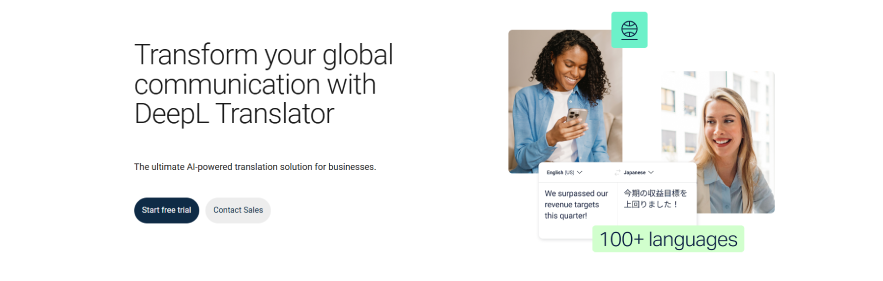
5. DeepL
DeepL is the strongest choice when the Korean needs to sound natural in writing. It is especially useful for professional text, messages, and any situation where phrasing matters.
Korean can be sensitive to tone and sentence flow, and DeepL usually handles that better than basic literal translation tools. That makes it a smart option for users who care about quality of language.
Where DeepL works best:
- English to Korean text that needs to sound natural.
- Formal or professional writing.
- Rewriting literal text into smoother Korean.
Pros:
- Strong flow and phrasing in written output.
- Better for professional or academic communication.
- Good when wording quality matters more than speed.
Cons:
- Less focused on real-time speech workflows.
- Not as universal for quick everyday use as Google Translate.
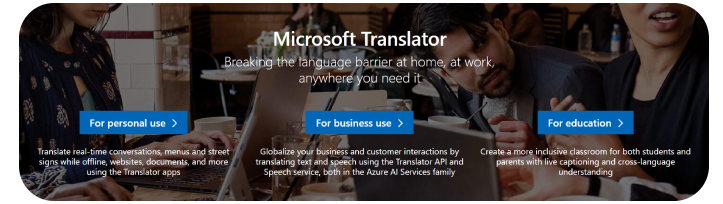
6. Microsoft Translator
Microsoft Translator remains a practical general-purpose tool. It is a reasonable choice for users who want something familiar across devices and common communication scenarios.
It does not stand out as much as the top five tools, but it stays useful in mixed personal and work settings.
Where Microsoft Translator works best:
- Cross-device translation in general use.
- Group communication and practical daily translation.
- Users who want a recognizable alternative.
Pros:
- Broad usability.
- Good fit for shared communication.
- Easy to adopt.
Cons:
- Less distinctive than DeepL for writing quality.
- Less specialized than Palabra or Talo for live speech workflows.
7. iTranslate
iTranslate is best for simple mobile use. It works well for travel, short conversations, and quick everyday phrases where convenience matters more than precision.
Its strength is that it is lightweight and easy to use. For someone who just wants a phone-based translator, that can be enough.

Where iTranslate works best:
- Travel and basic phrase support.
- Quick mobile translation in casual situations.
- Users who want a simple app with minimal learning curve.
Pros:
- Mobile-friendly.
- Easy to use.
- Good lightweight option for travelers.
Cons:
- Not ideal for nuanced Korean writing.
- Not designed for demanding live speech scenarios.
8. Naver Dictionary
Naver Dictionary is more of a language reference tool than a translator app, but it deserves a spot because it is very useful for learning Korean. It helps users understand vocabulary, context, and usage in a way that simple translation apps often do not.
That makes it a strong support tool for learners and careful readers.

Where Naver Dictionary works best:
- Korean vocabulary and meaning lookup.
- Context and language-learning support.
- Checking words before writing or studying.
Pros:
- Strong Korean learning support.
- Useful for context and vocabulary.
- Helpful alongside translator apps.
Cons:
- Not built for live translation.
- Not a one-stop app for casual conversation.
9. Reverso
Reverso is useful when context matters. It helps users see examples and understand how expressions are used in real sentences, which is valuable for learners and careful writers.
It is better as a companion tool than as a main translation app. If the goal is understanding instead of immediate conversation, it can be very helpful.

Where Reverso works best:
- Checking Korean phrases in context.
- Comparing example-based usage.
- Supporting study and language learning.
Pros:
- Strong context support.
- Useful for learners who want examples.
- Helpful alongside broader translators.
Cons:
- Not built for real-time spoken translation.
- Less convenient as a one-stop travel translator.
10. SayHi
SayHi is a simple spoken translation app for quick conversations. It is useful when you need a lightweight voice tool for short phrases and casual interactions.
It is not meant for advanced workflows, but it can help in basic speaking situations where speed matters more than detail.

Where SayHi works best:
- Quick spoken phrases.
- Lightweight voice translation.
- Basic conversation help.
Pros:
- Simple and easy to use.
- Good for quick voice translation.
- Lightweight option for casual use.
Cons:
- Not suited to complex communication.
- Less powerful than the top tools in this list.
Final thoughts
The best Korean translator app depends less on brand recognition and more on the translation problem itself. Palabra and Talo are the strongest choices for live speech translation, Papago is the most practical Korean-focused everyday option, Google Translate is the easiest all-rounder, and DeepL is better when written tone matters. For users comparing tools around english translation in korea, korean translator app, english language translate to korea, or korean to spanish searches, the smartest approach is to match the app to the situation instead of looking for one universal winner. A traveler, a language learner, and a webinar host may all need Korean translation, but they do not need the same kind of translator.