Speechify is a solid personal productivity tool. But when teams try to adopt it for shared audio workflows, multilingual communication, or enterprise content production, the limitations show up fast. This guide covers the best alternatives built with team use in mind.
Why Teams Outgrow Speechify
Speechify was designed to help individual users listen to text faster. That focus shapes every product decision – and it shows when teams try to use it collaboratively.
Built for Individual Use, Not Team Workflows
Speechify lacks the shared workspaces, project management, and collaborative review features that teams need. There is no way to assign tasks, share voice projects across users, or manage a library of brand-approved audio assets collectively. Every user operates in their own silo.
Limited Integration with Collaboration Tools
Modern teams work inside Slack, Notion, Google Workspace, and custom internal tools. Speechify offers limited API access and no native integrations with the collaboration platforms teams already rely on. Building a production audio workflow around it means manual file transfers and disconnected tooling.
Pricing That Doesn’t Scale for Groups
Speechify’s pricing is structured around individual seats, with no meaningful volume discounts or team-tier features at lower price points. For organizations that need five, fifty, or five hundred users with consistent access and centralized billing, the economics deteriorate quickly.
What to Look for in a Team-Friendly Alternative
Multi-User Access and Role Management
A team-ready tool supports multiple user accounts under a shared organization, with role-based permissions. Admins should be able to control who can create, edit, publish, or export audio – and do so without contacting customer support.
API and Integration Support
Teams that build internal tools or automate content workflows need robust API access. The best alternatives expose REST APIs with clear documentation, support webhooks, and integrate natively with storage, CMS, or communication platforms your team already uses.
Multilingual and Accessibility Features
Global teams communicate across languages. A strong alternative supports multilingual TTS, real-time translation, and accessibility standards such as WCAG-compliant caption output. Teams working with international audiences or diverse workforces should treat this as a baseline requirement, not a premium add-on.
Voice Quality and Customization
Generic robotic voices undermine the credibility of professional audio content. Look for tools that offer natural-sounding neural voices, voice cloning for consistent brand identity, and custom vocabulary support for domain-specific terminology.
Top Speechify Alternatives for Teams
1. Palabra — Best for Multilingual Teams and Live Events
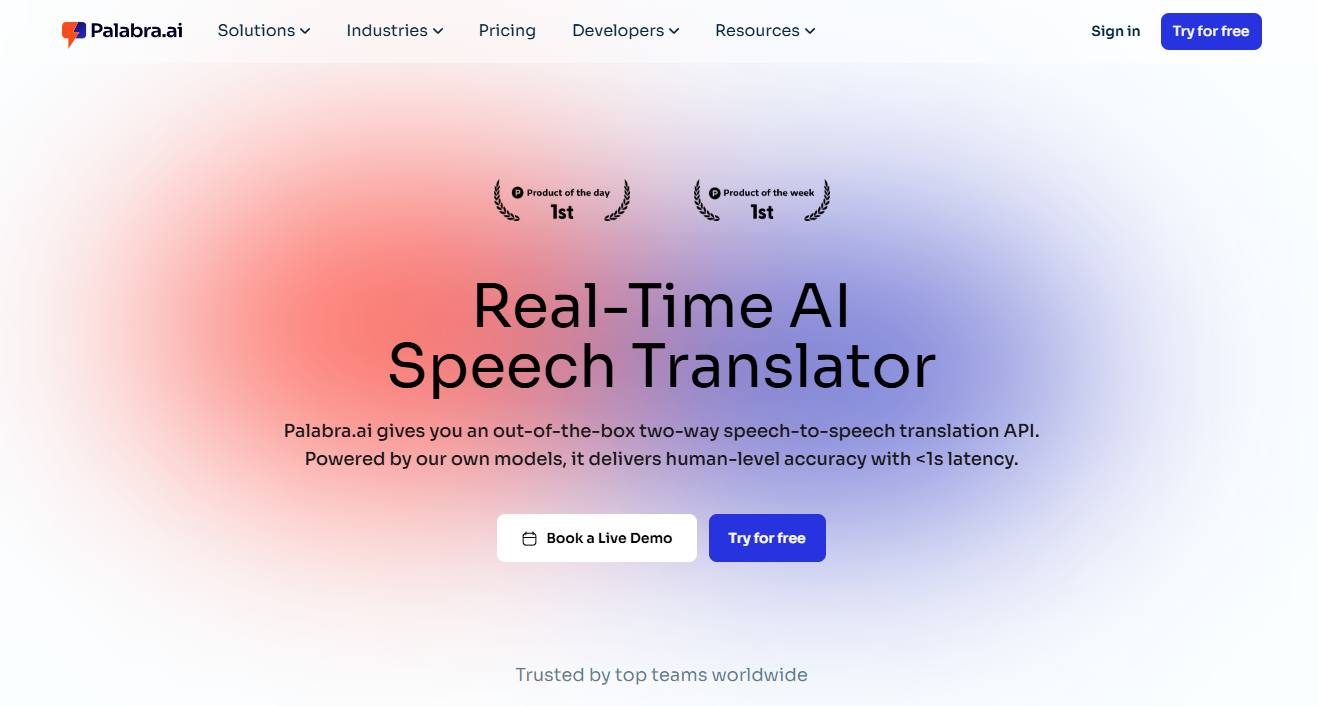
Palabra is the strongest choice for teams that need to communicate across languages in real time. Unlike TTS-only tools, Palabra combines speech recognition, neural translation, and voice synthesis into a single pipeline – delivering live translated captions, dubbed audio, and multilingual transcripts simultaneously.
Custom glossaries ensure brand names, product terms, and domain vocabulary are handled correctly in every language. Voice cloning maintains consistent speaker identity across dubbed outputs. And because Palabra controls the full stack from ASR through TTS, the system improves end-to-end without teams managing multiple vendors.
For international conferences, multilingual product demos, global customer support, and cross-border team meetings, Palabra does what no standalone TTS tool can.
2. Murf AI — Best for Content and Marketing Teams
Murf AI offers a polished studio interface with 120+ voices across 20+ languages. Marketing teams use it to produce voiceovers for ads, explainer videos, and e-learning content without hiring voice talent. Collaboration features include shared projects and team workspaces, making it a practical upgrade from individual TTS tools.
3. WellSaid Labs — Best for Enterprise Brand Voice
WellSaid Labs specializes in consistent, high-quality AI voices for enterprise content. Its voice cloning capabilities allow organizations to create a digital version of a real speaker and use it across all branded audio content. It is particularly strong for large-scale eLearning, internal communications, and product narration.
4. ElevenLabs — Best for Voice Cloning at Scale
ElevenLabs produces some of the most natural-sounding AI voices available. Its voice cloning feature can replicate a speaker’s voice from a short audio sample, and its multilingual model handles 29 languages with strong accent consistency. For teams producing high volumes of content where voice quality is the primary concern, ElevenLabs is a leading option.
5. NaturalReader — Best for Accessibility-Focused Teams
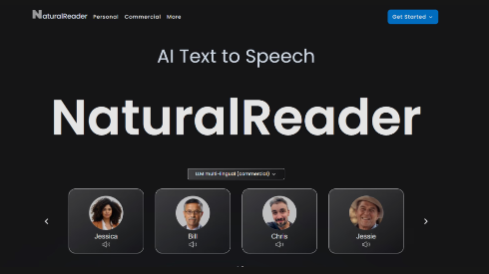
NaturalReader is a reliable choice for teams prioritizing document accessibility. It converts PDFs, Word files, and web pages into audio with minimal friction, and its commercial plan supports team accounts. It lacks advanced voice customization but is straightforward and works across platforms.
6. Descript — Best for Podcast and Video Teams
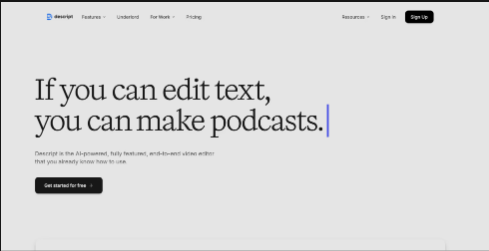
Descript combines audio editing, transcription, and TTS in a single tool built for content creators. Its Overdub feature allows creators to correct audio mistakes by typing, generating a voice-matched replacement automatically. Podcast teams, video producers, and content studios benefit most from its end-to-end workflow.
7. ReadSpeaker — Best for Enterprise Accessibility Compliance
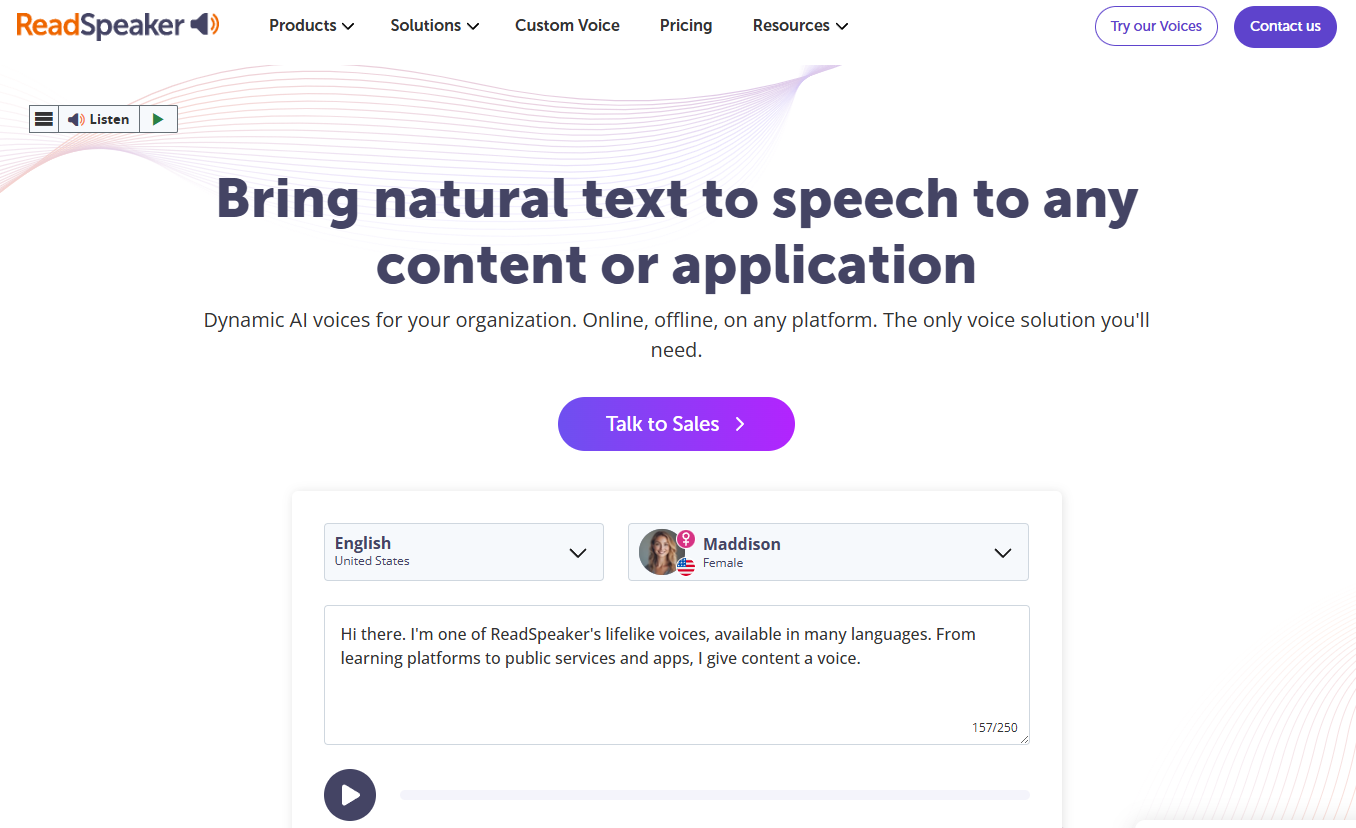
ReadSpeaker is purpose-built for organizations that need to meet accessibility standards at scale. It powers text-to-speech across websites, learning management systems, and enterprise portals, with compliance certifications for WCAG and Section 508. Large institutions in education, government, and healthcare rely on it for consistent, accessible audio delivery.
8. Amazon Polly — Best for Developer Teams
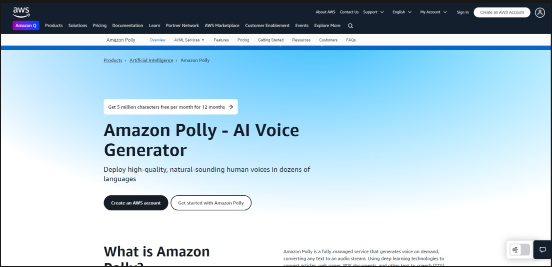
Amazon Polly is an AWS service that converts text to lifelike speech via API. It supports 60+ voices across 30+ languages and integrates natively with the broader AWS ecosystem. Developer teams building voice-enabled applications, IVR systems, or automated audio pipelines get reliable infrastructure, competitive pricing at scale, and deep customization through SSML.
9. Google Cloud Text-to-Speech — Best for Google Ecosystem Teams
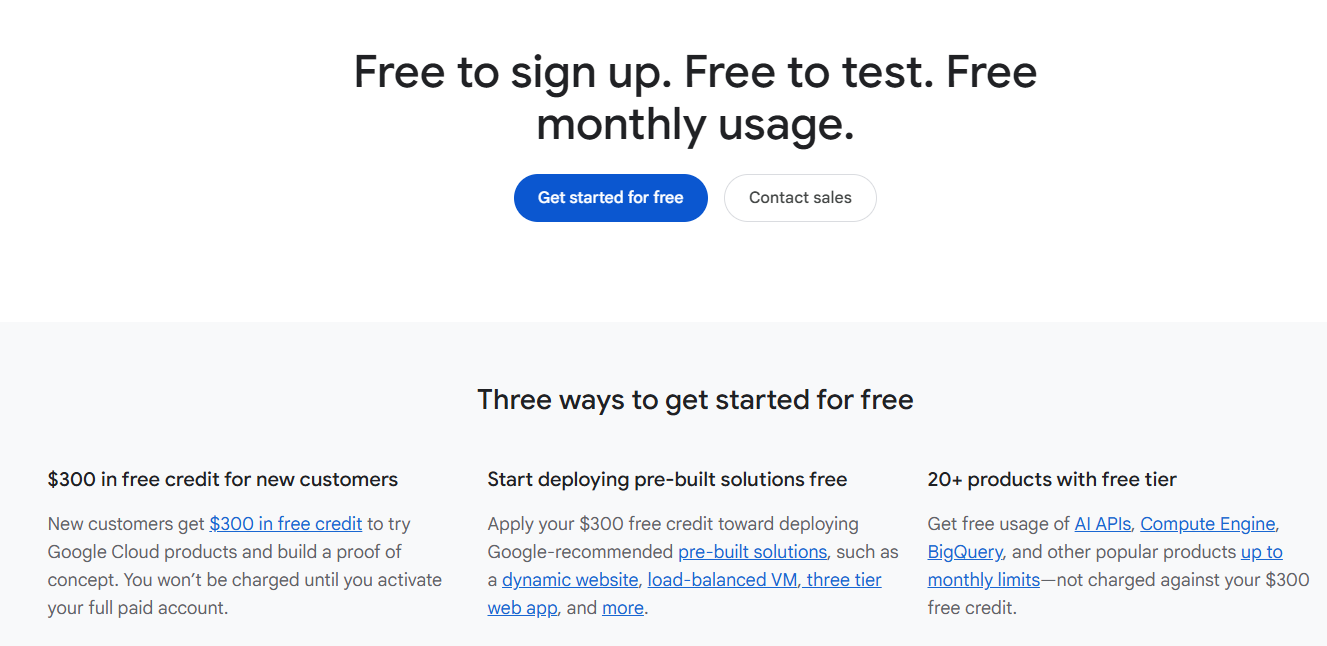
Google Cloud TTS offers 380+ voices across 50+ languages, with WaveNet and Neural2 models delivering high naturalness scores. Teams already working within Google Cloud benefit from seamless integration with other GCP services, straightforward IAM-based access control, and usage-based pricing that scales predictably.
Quick Comparison Table
| Tool | Best For | Multilingual | Voice Cloning | API Access | Team Features |
| Palabra | Multilingual teams, live events | Yes (real-time) | Yes | Yes | Yes |
| Murf AI | Content and marketing | Yes | Limited | Yes | Yes |
| WellSaid Labs | Enterprise brand voice | Limited | Yes | Yes | Yes |
| ElevenLabs | Voice cloning at scale | Yes (29 languages) | Yes | Yes | Limited |
| NaturalReader | Accessibility | Yes | No | Limited | Basic |
| Descript | Podcast and video | Limited | Yes | No | Yes |
| ReadSpeaker | Compliance and accessibility | Yes | No | Yes | Yes |
| Amazon Polly | Developer teams | Yes (30+ languages) | No | Yes | Via AWS IAM |
| Google Cloud TTS | Google ecosystem teams | Yes (50+ languages) | No | Yes | Via GCP IAM |
When Your Team Needs More Than Text-to-Speech
Real-Time Translation for Multilingual Teams
Most TTS tools convert text to audio in a single language. They do not translate. For teams communicating across language barriers in live meetings, webinars, or customer calls, a tool that only reads text aloud solves only part of the problem. Real-time translation plus TTS – in a single low-latency pipeline – is what actually removes the language barrier.
Live Captions and Audio Processing at Scale
Enterprises running all-hands meetings, investor briefings, or global product launches need live captions that are accurate, properly attributed to speakers, and available in multiple languages simultaneously. This requires speaker diarization, streaming ASR, and real-time translation working together – capabilities that no standalone TTS tool provides.
How to Choose the Right Tool for Your Team
Start with your primary use case. If your team produces pre-recorded content in one language, Murf AI or WellSaid Labs likely fits. If you need developer-grade infrastructure at scale, Amazon Polly or Google Cloud TTS is the practical choice. If your content workflow centers on video and podcasts, Descript offers the most integrated experience.
If your team operates across languages – whether in live events, international meetings, or multilingual customer communications – none of the above fully solves the problem. You need a tool that handles the full voice AI pipeline, not just the TTS layer.
Why Palabra Is the Smartest Choice for Teams
Speechify reads text aloud. Palabra removes language barriers entirely.
For teams where multilingual communication is not an edge case but a daily reality, Palabra delivers what no standalone TTS tool can: real-time speech recognition, neural translation, and voice synthesis in a single pipeline with sub-second latency. Custom glossaries keep domain terminology consistent across every language. Voice cloning maintains speaker identity in dubbed outputs. And the full-stack architecture means accuracy improvements propagate automatically across ASR, translation, and TTS without teams managing multiple vendor relationships.
Whether your team runs international conferences, global customer support lines, or multilingual internal communications, Palabra is built for exactly that use case – from the ground up.