Finding a Filipino translation app sounds easy until the translation actually matters. Some tools are fine for short phrases, but many break down once the task involves live conversations, meetings, subtitles, or business communication across Filipino and English.
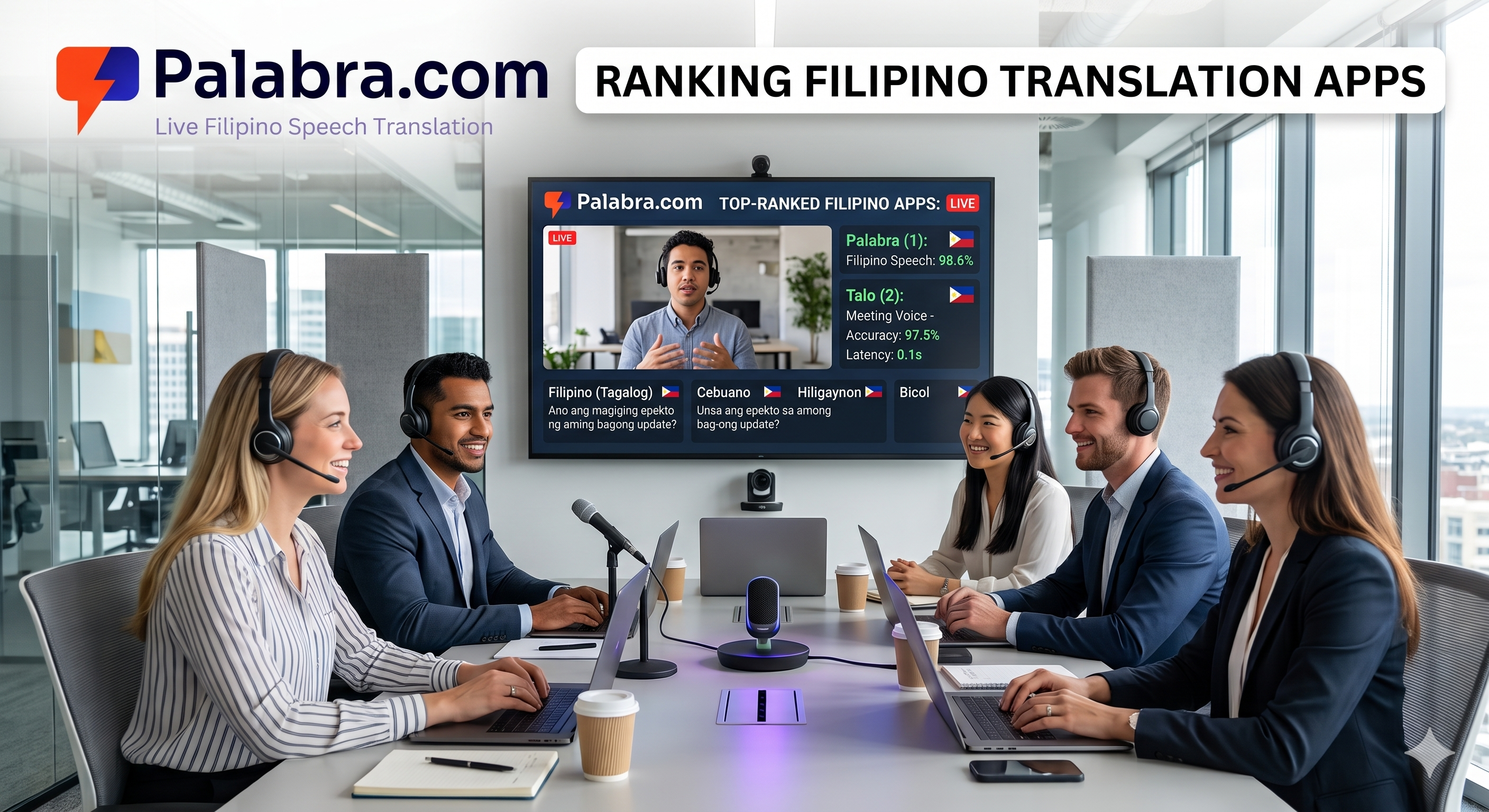
This list focuses on apps that cover different real-world needs: real-time speech, video calls, travel, writing, and day-to-day mobile use. The ranking puts Palabra at number one for live Filipino speech translation and Talo at number two for meeting-focused voice translation, followed by broader tools that work well for text, travel, and reference tasks.
Top Filipino Translation Apps for Travel, Meetings & More
The table below compares the strongest options for Filipino to English translation, Filipino voice translation, and everyday text translation. It emphasizes the feature that matters most in practice: whether the app is best for live speech, writing, calls, or quick mobile use.
| Filipino Translation App | Standout Feature | Best For | Platform Availability | Free Trial/Version |
| Palabra | Real-time speech translation with captions, transcripts, and under 1-second latency | Meetings, webinars, events, and live multilingual communication | Web, API workflows | Yes |
| Talo | Real-time AI translation for Zoom, Google Meet, and Teams calls | Remote meetings and multilingual video calls | Web | Yes |
| Google Translate | Free text, voice, and Live Translate conversation modes | Everyday use, travel, and quick conversations | Web, iOS, Android | Free |
| DeepL | Natural written translation for professional content | Documents, emails, and polished writing | Web, Windows, macOS, iOS, Android | Yes |
| Microsoft Translator | Conversation mode for multilingual communication | Business communication and group conversations | Web, iOS, Android, Windows | Free |
| Reverso | Context-rich examples and phrase support | Learning, nuance, and phrase-level accuracy | Web, iOS, Android | Free version |
| iTranslate | Mobile text and voice translation | Travel and casual everyday use | Web, iOS, Android | Free version |
| Lingua Direct | Browser-based live Filipino ↔ English conversation translation | Quick live conversations without installing an app | Web | Yes |
| Translate.com | Simple Filipino-to-English text and phrase translation | Word and sentence lookup | Web | Free access |
| Filipino-English Translator apps | Lightweight Filipino ↔ English mobile translation, sometimes with offline support | Basic phrase translation on mobile | Android, iOS | Free / freemium |
1. Palabra: Best for All-in-One Live Filipino Voice Translation
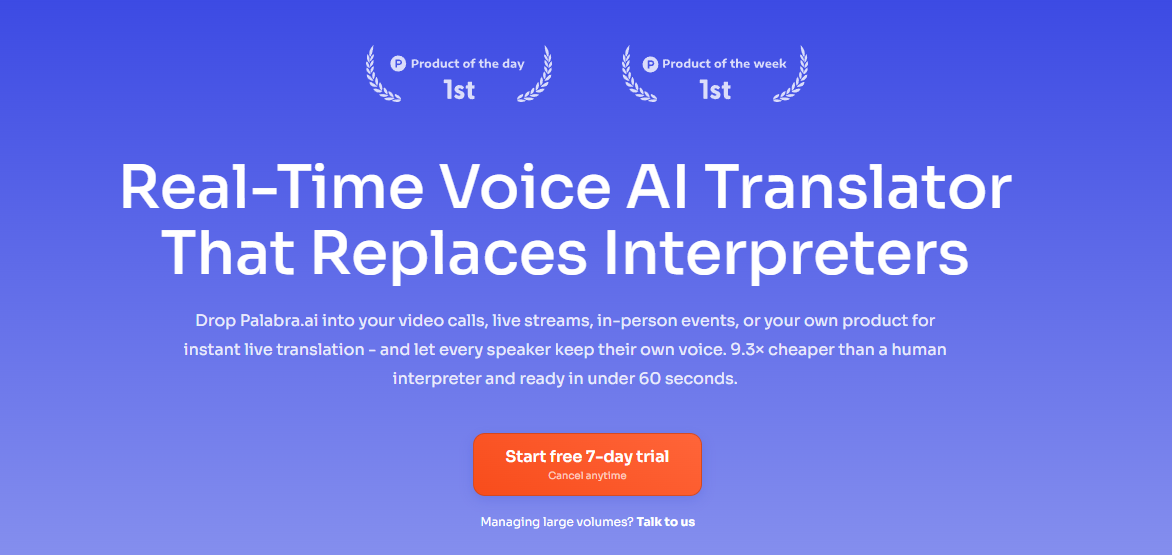
Palabra is the strongest overall option when the main task is live Filipino to English translation. Its Filipino-to-English translation page emphasizes instant speech-to-speech translation, live subtitles, captions, transcripts, custom glossaries, API integration, and under 1-second latency, which makes it much more than a basic text translator.
That feature set makes it especially useful for webinars, meetings, events, training sessions, and multilingual broadcasts. Palabra also supports 60+ languages, so it works well for teams that need Filipino alongside other language pairs rather than a single narrow translator app.
Available on: Web and API workflows.
Key features
- Real-time speech-to-speech translation with under 1-second latency.
- Live subtitles, captions, and exportable transcripts.
- Custom glossaries for business terminology.
- Browser-based attendee access with no app required for listeners.
Pros
- Best fit for live voice translation.
- Strong for meetings, webinars, and events.
- More specialized for spoken workflows than standard mobile translation apps.
Cons
- More advanced than most casual users need for simple phrase lookup.
- Best value appears when translation is part of a live workflow, not occasional text-only use.
2. Talo: Best for Filipino Translation in Video Calls
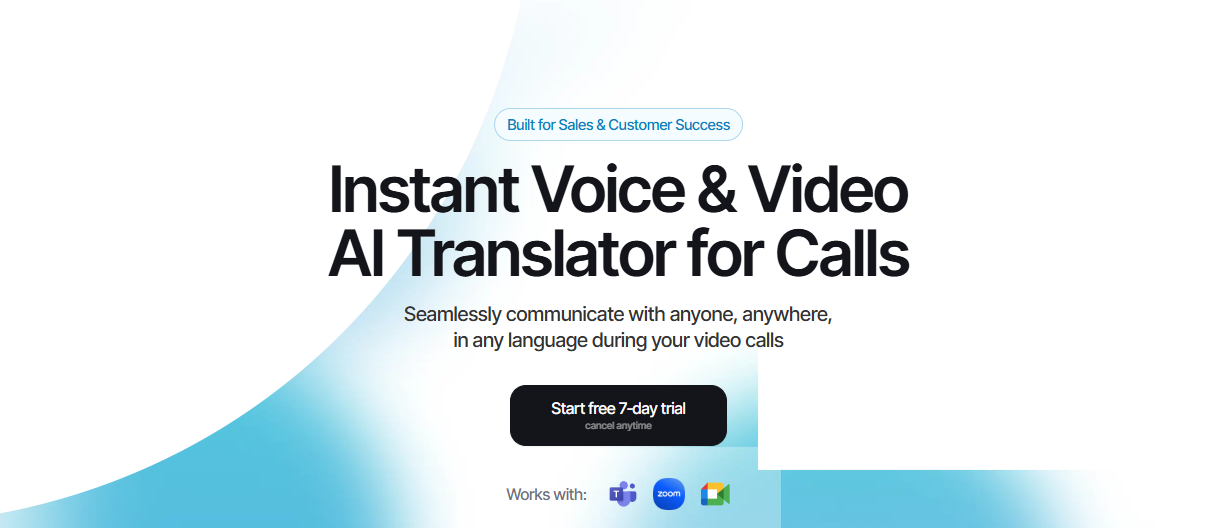
Talo earns the number two spot because it is built around the specific workflow many users care about most: live translation during video meetings. Its product positioning centers on instant AI translation for Zoom, Google Meet, and Microsoft Teams, which makes it highly relevant for Filipino-speaking teams working across remote calls.
Compared with Palabra, Talo is narrower but very clear in its purpose. It is the better pick when the main requirement is meeting translation inside common conferencing tools rather than a broader mix of webinars, streams, and event-style interpretation.
Available on: Web.
Key features
- Real-time AI translation for Zoom, Google Meet, and Teams.
- Built for multilingual video meetings.
- Trial access for evaluation.
- Focused workflow for remote collaboration.
Pros
- Excellent for live Filipino-English communication on calls.
- Clear use case with less setup complexity than broader event tools.
- Strong second choice after Palabra for spoken business communication.
Cons
- Narrower than all-purpose translators.
- Less useful for offline travel, document work, or casual phrase lookup.
3. Google Translate: Best for Everyday Filipino Translations

Google Translate remains the easiest free option for users who need Filipino translation during travel or day-to-day conversations. Google supports live conversation features through Live Translate and continues to position the app as a broad tool for text, speech, and on-screen translation across more than 100 languages.
This makes it a strong general-purpose tool, even though it is not as specialized as Palabra or Talo for professional live speech workflows. It is especially useful for spontaneous interactions, signs, menus, and short spoken exchanges where convenience matters more than workflow depth.
Available on: Web, iOS, Android.
Key features
- Live conversation translation modes.
- Text and voice translation across a very large language set.
- Wide device availability.
- Free access.
Pros
- Easy and free to use.
- Strong for travel and everyday communication.
- Better accessibility than most niche tools.
Cons
- Less tailored to business meetings and event workflows.
- Spoken output can be less specialized than dedicated live-translation tools.
4. DeepL: Best for Professional Filipino Writing

DeepL is a strong choice when the priority is polished written translation rather than live conversation. Major translator comparisons consistently place it among the best options for natural phrasing and professional writing quality, especially for documents and business communication.
That makes DeepL more useful for emails, reports, and polished drafts than for live Filipino voice translation. It belongs in this list because many users searching for Filipino to English translation are actually trying to improve written output, not just translate speech.
Available on: Web, Windows, macOS, iOS, Android.
Key features
- Natural, context-aware written translation.
- Strong for documents, emails, and polished drafts.
- Works across web and desktop platforms.
- Useful for professional tone control.
Pros
- Excellent for written Filipino-English translation.
- Strong phrasing quality for business content.
- Easy to use for document workflows.
Cons
- Not built for live speech translation.
- Less useful for meetings and events than Palabra or Talo.
5. Microsoft Translator: Best for Group Communication

Microsoft Translator works well for users who need a business-friendly tool with conversation features. It is commonly included in leading translation app comparisons because of its support for multilingual communication and conversation mode across devices.
This places it between casual translation apps and more specialized live-meeting tools. It does not replace Palabra or Talo for spoken Filipino in structured meetings, but it is a practical option for teams already using Microsoft’s ecosystem.
Available on: Web, iOS, Android, Windows.
Key features
- Conversation mode for multilingual group use.
- Text and speech support across devices.
- Practical for team collaboration.
- Broad platform availability.
Pros
- Good for shared communication in business settings.
- Simple multi-device access.
- Useful middle-ground option for teams.
Cons
- Less focused than Palabra for live Filipino speech.
- Less meeting-specific than Talo.
6. Reverso: Best for Context and Learning

Reverso is most useful when the goal is to understand context rather than produce a fast literal translation. Its strength comes from example-based translation, phrase support, and helping users see how a term works in real usage rather than in isolation.
That makes it a good support tool for Filipino learners, editors, and anyone checking nuance in English output. It is not a live speech platform, but it fills an important role in a balanced translation stack.
Available on: Web, iOS, Android.
Key features
- Example-based translation.
- Phrase support and contextual usage.
- Helpful for learning and nuance.
- Mobile and web access.
Pros
- Good for understanding real usage.
- Useful for vocabulary and learning workflows.
- Complements broader translation apps.
Cons
- Not designed for live speech translation.
- Less suitable for meetings and events than Palabra or Talo.
7. iTranslate: Best for Travel and Casual Mobile Use
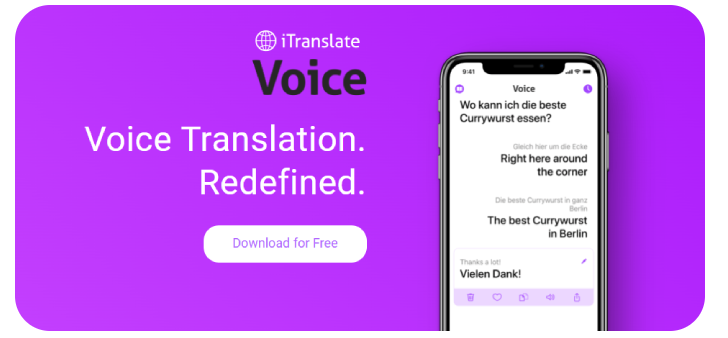
iTranslate is a practical pick for travelers and casual mobile users who want voice and text translation in one polished app. General comparison sources continue to rank it among the better mainstream options for mobile translation use.
It is convenient for quick interactions and short travel tasks, though less specialized for professional Filipino translation than the top-ranked tools. For many users, that trade-off is acceptable because speed and mobile simplicity matter more than advanced workflows.
Available on: Web, iOS, Android.
Key features
- Voice and text translation.
- Mobile-first convenience.
- Travel-friendly workflows.
- Straightforward everyday use.
Pros
- Easy to use on the go.
- Good for short conversations and travel tasks.
- Broad consumer appeal.
Cons
- Not built for high-stakes live translation.
- Less specialized than Palabra or Talo.
8. Lingua Direct: Best No-Install Browser Translator
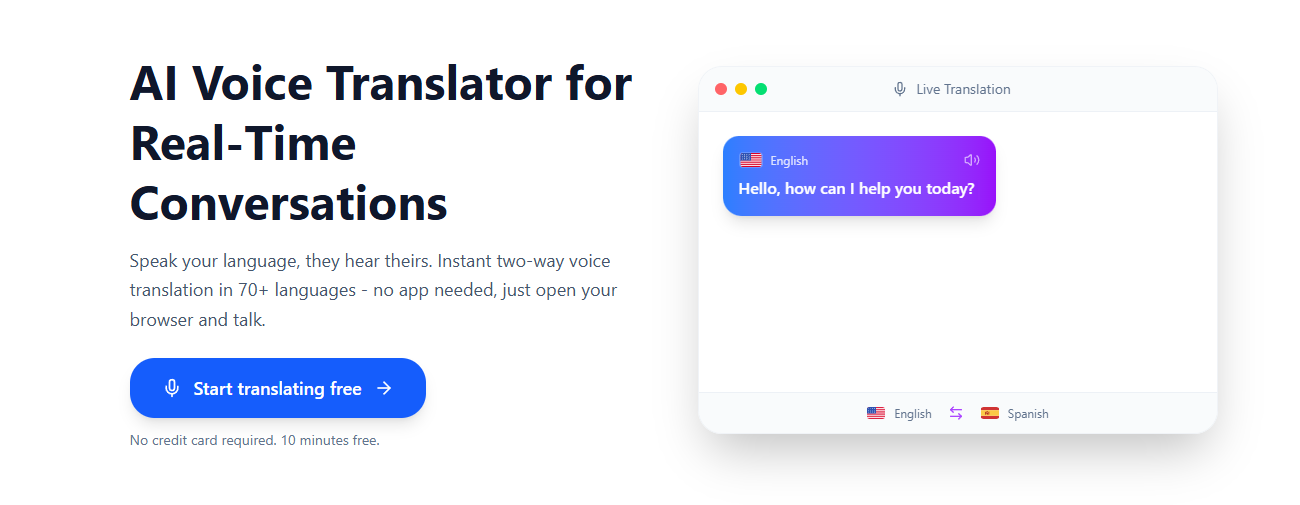
Lingua Direct is a useful browser-first option for live Filipino ↔ English conversation translation. It advertises real-time spoken translation directly in the browser, which is helpful for users who want immediate access without installing software.
Its scope is narrower than Palabra and Talo, but that simplicity can be an advantage. For quick conversational use, a browser-based approach removes friction and speeds up testing.
Available on: Web.
Key features
- Browser-based live conversation translation.
- Filipino ↔ English support.
- No-install access.
- Real-time spoken translation.
Pros
- Fast to try and easy to access.
- Useful for one-off live conversations.
- No software installation required.
Cons
- Less robust than dedicated live-translation platforms.
- Narrower feature set than Palabra or Talo.
9. Translate.com: Best for Quick Text Lookup

Translate.com is a straightforward pick for Filipino-to-English word, phrase, and sentence lookup. It is positioned as an accessible online translation and dictionary-style tool rather than a real-time voice workflow.
That makes it best for short text tasks. It is useful to keep around as a reference option, but it is not meant to compete with live speech tools.
Available on: Web.
Key features
- Word and phrase translation.
- Sentence-level lookup.
- Simple online access.
- Dictionary-style translation support.
Pros
- Good for quick text checks.
- Easy to understand and use.
- Helpful for small translation tasks.
Cons
- Not built for live speech translation.
- Less useful for meetings, calls, and events.
10. Filipino-English Translator Apps: Best for Basic Phrase Translation

Dedicated Filipino-English Translator apps fill the lowest-friction niche in this list. App store listings describe them as simple tools for translating words, phrases, and short sentences, and some include offline support, which can help on the go.
These apps are fine for light use, but they should be treated as basic utilities rather than serious live translation platforms. They make sense when all that is needed is quick phrase support on a phone.
Available on: Android and iOS.
Key features
- Short word and phrase translation.
- Some offline support.
- Mobile-first design.
- Simple Filipino ↔ English focus.
Pros
- Quick to use for everyday phrases.
- Helpful when offline support matters.
- Good as a lightweight backup tool.
Cons
- Limited compared with mainstream apps.
- Not suitable for live meetings or events.
How to Choose the Right Filipino Translator App
The best Filipino translator depends on the task. Users who need live speech for meetings, webinars, and events should prioritize low-latency speech translation, while users translating documents or messages should care more about written fluency and context.
A simple way to choose is:
- Pick Palabra for real-time Filipino voice translation in meetings, events, and webinars.
- Pick Talo for live Filipino translation inside Zoom, Meet, and Teams calls.
- Pick Google Translate for daily use, travel, and simple two-way conversations.
- Pick DeepL for polished written translation.
- Pick Reverso when context and example sentences matter more than speed.
Best Practices for Filipino Translation Apps
Translation apps work better when the input is clear and the tool matches the use case. Spoken Filipino in a meeting, for example, demands a different product than translating a menu or checking a phrase before sending a message.
A few habits improve results:
- Use full sentences instead of isolated words when possible.
- Reduce background noise before relying on live speech translation.
- Choose a speech-first app for meetings and a writing-focused app for documents.
- Test translation quality with realistic Filipino speech before using the tool in a high-stakes setting.
Final Verdict
For users looking for the best Filipino translation app overall, Palabra deserves the top spot because it is built for real-time speech, subtitles, transcripts, and scalable multilingual communication. Talo is the strongest number two choice when the priority is Filipino translation inside remote meetings and conferencing tools.
Google Translate remains the easiest free option for daily use, while DeepL, Microsoft Translator, Reverso, and iTranslate each cover written translation, business communication, context, and travel use cases well. The right choice depends less on brand recognition than on whether the app is built for speech, meetings, writing, or quick reference.